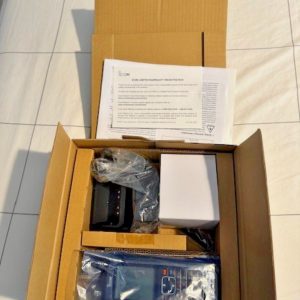
:::writingvariant="document" id="58314" ICOM IC-A25N Handheld NAV/COM Transceiver w/ Bluetooth – Open Box: Advanced Pilot Communication The ICOM IC-A25N Handheld NAV/COM Transceiver w/ Bluetooth – Open Box combines user-friendly controls, portable convenience, aviation communication capability, navigation functions, and Bluetooth connectivity. Choosing an open-box aviation radio may allow buyers to obtain advanced pilot equipment at a more accessible price than a comparable factory-sealed package. The ICOM IC-A25N Handheld NAV offers a flexible option for private pilots, commercial operators, instructors, aviation students, and support personnel. An ICOM IC-A25N Aviation Radio can support communication between pilots, air traffic services, flight instructors, ground personnel, and other aviation users where authorized. An ICOM IC-A25N Handheld Radio offers mobility that panel-mounted equipment cannot provide, allowing users to communicate from the aircraft, ramp, hangar, or operations area. A capable Handheld NAV/COM Aviation Transceiver provides pilots with an integrated solution that can be stored conveniently and accessed quickly. Whether the intended use involves a Handheld Aviation Radio, Aviation NAV/COM Radio, Pilot Handheld Radio, or Aircraft Communication Radio, dependable battery and antenna performance remain important. The unit may also serve as a Portable Aviation Transceiver, Aviation Communication Device, Handheld Aircraft Radio, Aviation Navigation Radio, ICOM Pilot Radio, Emergency Aviation Radio, or Backup Aircraft Radio for appropriate aviation applications.
Exploring the ICOM IC-A25N NAV/COM Platform
A multifunction handheld radio can provide useful redundancy and flexibility for pilots who regularly operate in different aircraft or environments. A handheld NAV/COM platform can serve as primary portable equipment in suitable operations or as supplementary equipment alongside panel avionics. Portable equipment should be treated as part of a complete communication plan rather than a guaranteed replacement for every installed avionics function. Pilots should test the radio during routine conditions and become familiar with its operation before expecting to use it during an urgent situation.ICOM IC-A25N Handheld NAV Applications
The navigation-oriented functions can complement normal cockpit planning when used within their intended purpose and understood limitations. Aircraft owners may keep the radio available when maintenance temporarily removes power from installed communication equipment. Aviation navigation requires situational awareness, planning, current data, and understanding of aircraft and airspace requirements. Organized cockpit placement improves access while protecting the radio from impact, movement, moisture, and accidental activation.ICOM IC-A25N Aviation Radio for Pilots
The handheld unit can support operations during aircraft maintenance, ramp movement, hangar work, or other situations where installed radios are not easily accessible. Flight instructors can use the device as supplemental equipment during ground lessons, aircraft walkarounds, and selected training exercises. A complete written inventory helps purchasers compare the open-box price with the cost of replacing missing accessories separately. Testing should occur in a lawful and appropriate manner without creating unauthorized transmissions or interfering with aviation communications.ICOM IC-A25N Handheld Radio Convenience
The handheld format allows the radio to move with the pilot between personal, rental, training, business, and club aircraft. A secure carrying arrangement can keep the radio accessible without allowing it to move around the cockpit during turbulence or abrupt maneuvering. Portability also allows the radio to be charged and configured away from the aircraft, helping pilots prepare frequencies and settings before entering the cockpit. The radio should be removed from environments where condensation, fuel, oil, cleaning products, or maintenance debris may cause damage.Handheld NAV/COM Aviation Transceiver Benefits
A Handheld NAV/COM Aviation Transceiver combines portable communication and navigation-related capability within one device, making it useful for pilots who value multifunction equipment. Users should consider how frequently the radio will be carried, whether Bluetooth is required, and which accessories are needed for their aircraft or headset. The radio should be inspected before every important flight for battery charge, antenna security, control response, display condition, volume setting, and physical damage. The antenna, battery, charger, headset adapter, belt clip, and other accessories should remain organized with the radio.Handheld Aviation Radio Applications
General aviation users may carry a portable radio during training flights, cross-country operations, maintenance, aircraft repositioning, and airport events. Backup capability may help pilots maintain access to important communication options while managing an abnormal situation appropriately. A handheld radio should be evaluated in the aircraft and environment where it will normally be used. Responsible communication protects aviation operations and helps users gain the full value of a professional handheld radio.Using an Aviation NAV/COM Radio
The combined platform can be useful during training because students can explore aviation radio functions with one portable device. Pilots should avoid changing complex settings when attention is required for aircraft control, traffic awareness, navigation, or communication duties. The device is most effective when integrated into a disciplined aviation workflow rather than treated as a single solution for every situation. Paired accessories and Bluetooth connections should be tested so unexpected setup issues do not occur during flight.Maintaining a Pilot Handheld Radio
A Pilot Handheld Radio offers flexibility to aviation professionals whose work involves several aircraft, airports, and operational environments. Good cockpit organization reduces workload and prevents backup equipment from becoming difficult to reach when needed. Training may also include using the radio with gloves, in reduced light, with a headset, or in a noisy cockpit environment. Battery condition should be reassessed as the pack ages or shows reduced capacity, charging problems, unusual heat, or physical changes.Aircraft Communication Radio Applications
Portable aircraft radios are useful when installed equipment is unavailable, an aircraft is unpowered, or personnel need communication away from the cockpit. Clear communication depends on more than radio quality because users must understand procedures, frequencies, terminology, timing, and radio discipline. Users should establish realistic expectations by testing the radio in normal conditions rather than assuming identical range to panel equipment. A cracked housing, loose antenna connection, damaged battery latch, or unreliable control can affect usability even when the radio still powers on.Choosing a Portable Aviation Transceiver
The device can support airport ground activities, remote-airfield operations, aircraft inspections, maintenance coordination, and flight preparation. The owner should keep the package organized so no essential component is missing when the radio is needed. Wireless connectivity may help pilots integrate the radio into a preferred communication setup when paired equipment is supported and configured correctly. The radio should remain usable even when a paired device is unavailable or the Bluetooth connection cannot be restored.Maintaining an Aviation Communication Device
Pilots should select communication equipment according to mission requirements, aircraft type, operating area, training needs, and backup planning. Transparent condition information allows the purchaser to judge whether the price reflects the package accurately. Professional users may maintain records of radio assignment, charging, inspections, damage, accessory inventory, and battery replacement. A well-managed Aviation Communication Device can support efficient and dependable operations across many aviation roles.Choosing a Handheld Aircraft Radio
The radio’s portable form allows pilots to monitor or communicate without remaining seated at the aircraft instrument panel. Portable operation can improve flexibility at remote airfields or maintenance locations with limited infrastructure. The pilot should route headset cables or charging leads carefully and avoid creating loops that can snag controls or occupants. Consistent care helps a Handheld Aircraft Radio transition reliably between cockpit, hangar, ramp, and storage use.Using an Aviation Navigation Radio
Navigation functions can add value during training, planning, route familiarization, and backup preparation when used appropriately. The radio should check here be configured on the ground whenever possible instead of during high-workload cockpit operations. Pilots remain responsible for route planning, weather evaluation, airspace awareness, fuel management, and safe aircraft control. A radio that has not been used recently may require charging, configuration review, Bluetooth reconnection, and accessory inspection.Using an ICOM Pilot Radio
An ICOM Pilot Radio can appeal to aviation users who value an established communications manufacturer, aviation-focused controls, portable construction, and practical accessory support. Accessories, manuals, packaging, warranty eligibility, and previous registration may affect the practical and commercial value of the radio. Aviation students may prioritize ease of learning, while experienced pilots may focus on backup capability, portability, and integration. Pilots should record serial information, purchase details, accessory inventory, battery condition, and any warranty documentation.Choosing an Emergency Aviation Radio
The IC-A25N can become part of a broader emergency equipment strategy appropriate to the aircraft, route, environment, and pilot’s needs. A written quick-reference guide may help, but it should remain simple enough to use without creating distraction. Emergency preparation may include checking battery endurance, carrying an appropriate backup power source, protecting the antenna, and confirming headset compatibility. Preparedness transforms an Emergency Aviation Radio from a stored accessory into a meaningful backup communication tool.Maintaining a Backup Aircraft Radio
The IC-A25N offers portable communication and navigation-oriented functions that can support a layered aviation equipment strategy. A dependable backup radio is the result of consistent preparation rather than the assumption that unused equipment remains ready. A dedicated flight-bag pocket, protective mount, or secured cockpit storage area may provide suitable access. Pilots should use clear, concise communication and follow appropriate procedures for the situation and operating environment.Buying an Open-Box ICOM IC-A25N
The display should illuminate correctly and remain free from major damage, unreadable sections, or unexplained visual problems. Transparent answers allow the buyer to distinguish a nearly unused open-box product from a lightly used or incomplete package. The Bluetooth system should be checked for pairing, audio routing, connection stability, and compatibility with supported equipment. A professional purchasing process protects both parties and supports a fair evaluation of the open-box aviation transceiver.Long-Term Ownership of an ICOM IC-A25N
Preventive care helps preserve the display, controls, battery, housing, antenna connection, charger, and accessories. Occasional-use radios should still receive periodic checks because batteries and electronic components can deteriorate during inactivity.- Review the complete package and remove the radio from backup service if physical or electronic condition is uncertain.
- Verify frequency settings, memory organization, Bluetooth pairing, audio routing, volume, squelch, navigation functions, and battery status during preflight preparation.
- Record any missing component, operating concern, battery issue, or required service before returning the radio to backup status.